Completed Development · Inverness, Florida
Strategic Land Assembly + Infrastructure Arbitrage
Turning Legacy Platted Lots into Builder-Ready Inventory
A 10+ acre redevelopment strategy leveraging municipal infrastructure, phased construction, and builder exit timing — delivering 5×–6× returns on land in Inverness, Florida.
Project Overview
Palm Life Realty identified a 1970s platted subdivision consisting of 43 individual single-family lots positioned on unimproved dirt roads along Clearwood Street in Inverness, Florida. These lots had been largely overlooked — legacy plats on unmaintained corridors in secondary markets rarely attract institutional attention.
Through rigorous research and municipal coordination, PLR recognized a transformative opportunity tied directly to the City of Inverness 44W Septic-to-Sewer Grant Program. This infrastructure expansion — bringing municipal sewer, water, and gas to the corridor — was the catalyst that would convert stagnant land into builder-ready product ahead of the broader market.
See the Execution StrategyStrategic Execution
The strategy was not about buying and selling lots. It was about sequencing — acquiring ahead of infrastructure, validating with product, then exiting to builders at peak viability while retaining long-term upside.
PLR acquired 25 targeted lots along Clearwood Street at a basis of approximately $6,000 per lot — before infrastructure improvements made the land builder-viable. The acquisition thesis was not based on current market conditions. It was based on what those lots would be worth after the city delivered sewer, water, and gas to the corridor.
PLR aligned ownership directly with the rollout of the City of Inverness 44W Septic-to-Sewer Grant Program. This was a deliberate positioning decision — not passive market participation. The program brought three critical utility upgrades to the corridor:
To validate the product, establish comparable data, and demonstrate builder-market demand, PLR constructed a single-family model home at 2621 Clearwood Street. This was not speculative residential development — it was a deliberate capital deployment designed to accomplish three critical objectives:
Convert an abstract land thesis into a physical demonstration that builders and qualified buyers could evaluate firsthand.
Generate real transaction data to anchor valuations for the remaining lot inventory during builder negotiations at scale.
Demonstrate committed capital and execution capability — the prerequisite for any serious builder conversation on a bulk acquisition.
Built Product
A single build designed to unlock full subdivision value. Not a speculative homebuilding exercise — a deliberate capital deployment to establish product, generate comparables, and de-risk builder negotiations at scale.
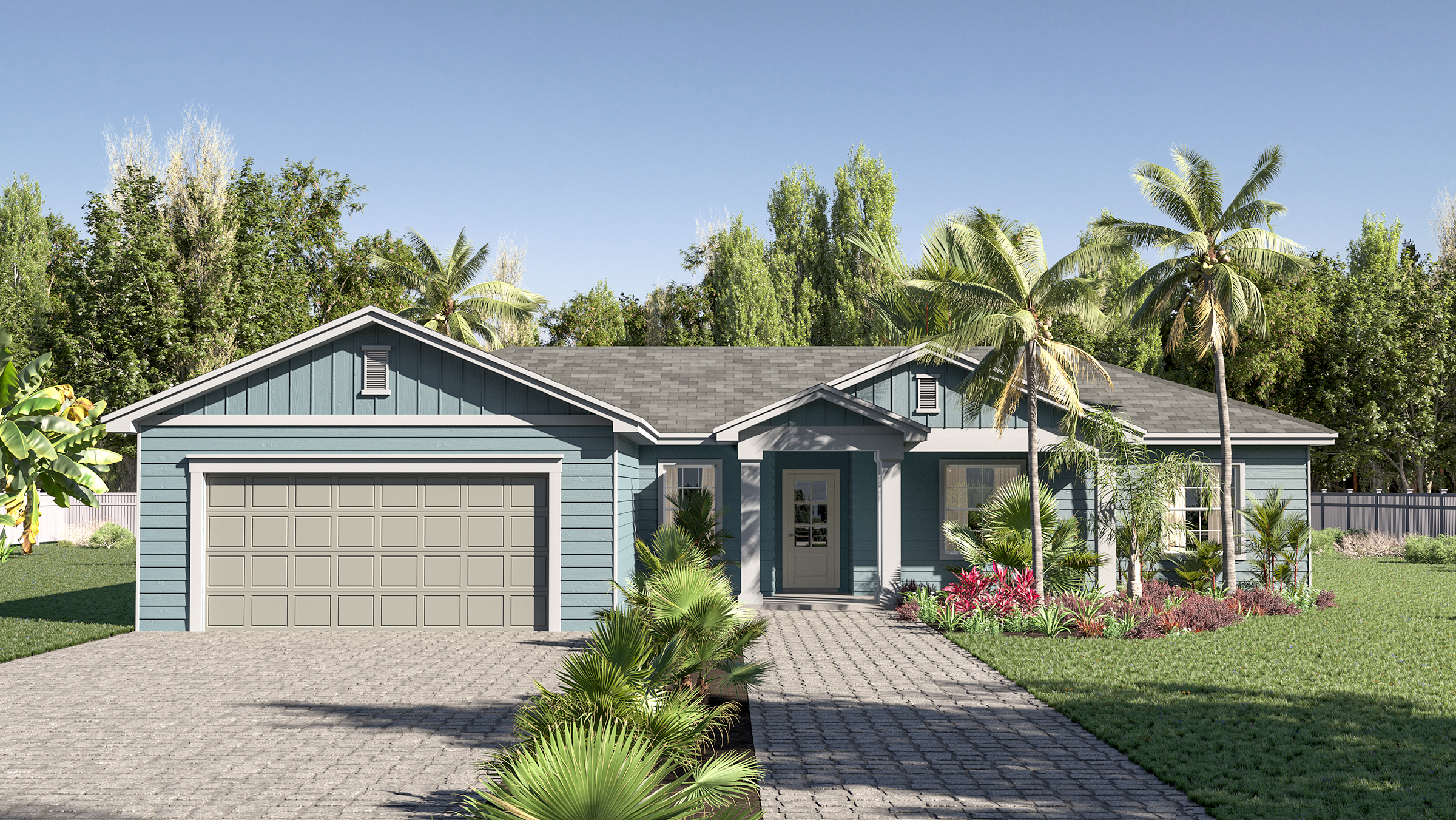
2621 Clearwood Street · Inverness, FL
Single-family proof-of-concept for regional builder market activation
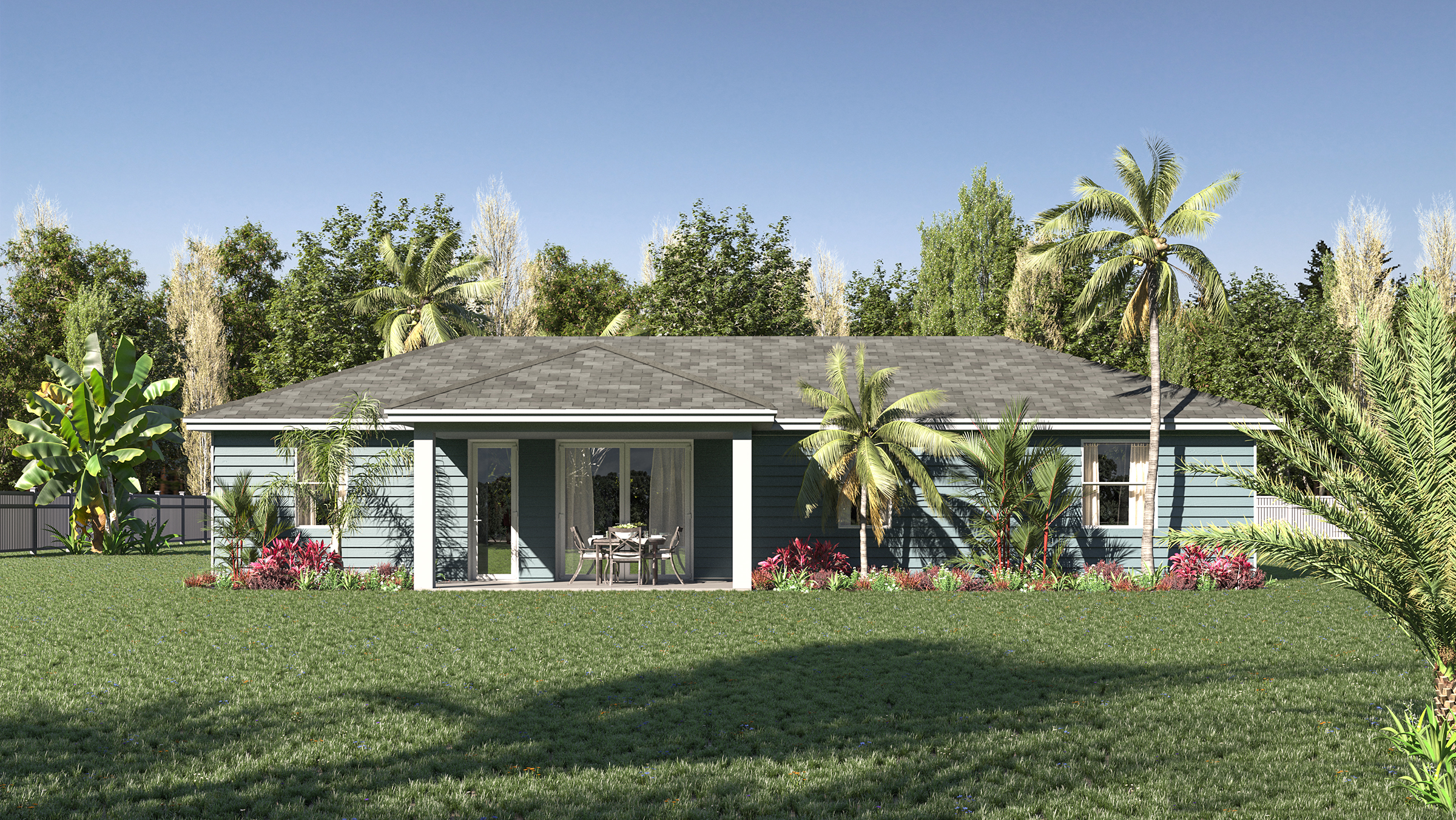
Designed to demonstrate the product standard achievable across the corridor — anchoring builder pricing expectations and validating lot viability
Proceeds generated from the model home construction and sale were recycled back into the capital structure — maintaining upside across the retained lot portfolio while de-risking the overall position for all partners.
Disposition Strategy
Following infrastructure completion and product validation, PLR marketed bulk lot packages directly to regional builders — negotiating from a position of demonstrated value, established comparables, and institutional-quality presentation.
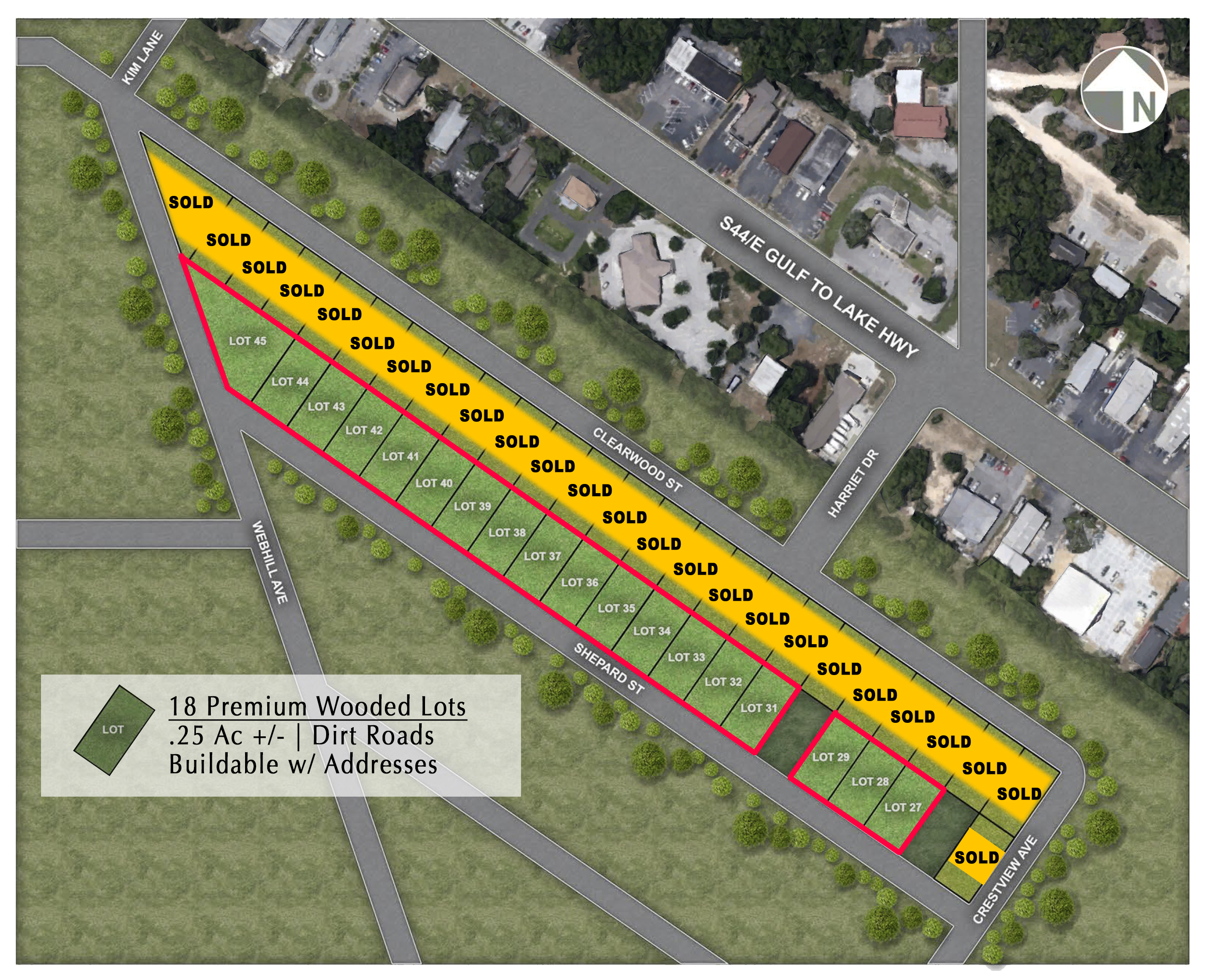
The strategy was to sell the bulk of the inventory at peak builder demand, while retaining 18 lots to capture the appreciation generated by the active builder presence along the corridor.
Financial Performance
Distribution Breakdown
Retained Upside
Unlike a full lot liquidation, PLR structured the disposition to retain 18 lots positioned directly adjacent to active builder development. This is not unsold inventory — it is a deliberate long-term position designed to capture the appreciation generated by the builder activity itself.
As Adams Homes constructs and sells completed homes along Clearwood Street, every closed transaction creates upward pressure on the remaining lot values — compounding the return without additional capital deployment from the ownership group.
Future Value Drivers
Site Plan
Builder absorption engineered to drive remaining inventory value upward. Sold lots represent the disposed bulk parcels — retained lots remain positioned for long-term appreciation as the corridor stabilizes.
Development Insight
Clearwood Street is not a story about selling lots. It is a case study in how Palm Life Realty identifies market dislocations, aligns with infrastructure cycles, introduces vertical product as a value mechanism, and exits to institutional buyers — while retaining long-term upside on what remains. This is a framework built to be replicated across similar legacy plat opportunities.
Locate underutilized or overlooked subdivision inventory priced well below its post-infrastructure potential in secondary markets.
Track municipal grant programs, utility expansions, and corridor improvement initiatives to position ownership ahead of the capital cycle.
Deploy a targeted build to generate comparable data, demonstrate product quality, and de-risk bulk builder negotiations from a position of strength.
Negotiate bulk dispositions at the moment of maximum builder demand — after infrastructure delivery but before neighborhood saturation.
Structure dispositions to preserve residual lot positions that appreciate passively as builder activity stabilizes the corridor and raises the comp basis — generating ongoing return without ongoing capital deployment.
Work With Palm Life Commercial
Work with Palm Life Realty to identify, structure, and execute high-performance land and development opportunities. Whether you are evaluating a legacy plat, positioning ahead of infrastructure, or preparing a builder disposition — we bring the strategy that turns overlooked land into institutional-quality outcomes.